Some real estate sales appear effortless from the outside. A home enters the market, receives immediate interest, and moves quickly into contract.
What buyers do not see is the work that happened beforehand.
In Lake Tahoe, preparing a home for sale is rarely limited to photography and a quick clean. Mountain properties come with their own questions: snow exposure, defensible space, insurance, drainage, sewer or septic systems, deferred exterior maintenance, permits, private amenities, and seasonal access. Addressing those details early gives the seller more control and gives buyers greater confidence.
The goal is not to make every home perfect. It is to understand the property, decide what will meaningfully improve its presentation, and build a launch strategy around the buyer most likely to value it.
90 Days Before Launch: Establish the Strategy
The first step is a candid conversation about the seller's goals. Timing, privacy, pricing, condition, and appetite for pre-market work all shape the plan.
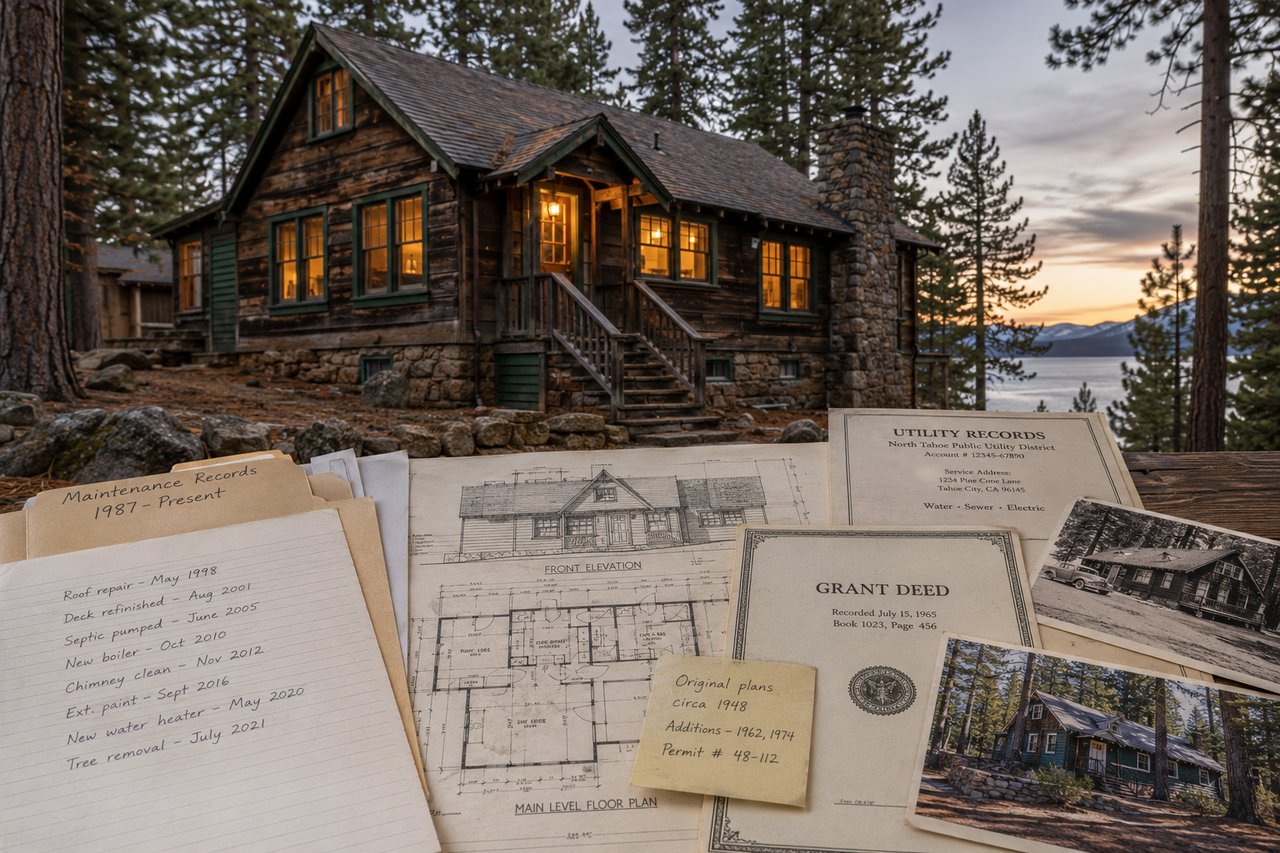
This is also when the team should begin assembling the property's story and documentation. Depending on the home, that may include permits, plans, surveys, utility information, HOA or amenity documents, repair records, buoy or pier information, rental history, and improvements made during ownership.
For some properties, pre-listing inspections may also make sense. A home, pest, sewer, septic, chimney, roof, or defensible-space inspection can reveal issues while the seller still has time to decide how to address them. The right inspection mix depends on the property and should be determined with the appropriate local professionals.
60 Days Before Launch: Make the Home Show-Ready
At this stage, the emphasis shifts from discovery to execution.
The highest-value work is often less dramatic than a renovation. Deep cleaning, paint touchups, carpet care, window washing, landscape cleanup, deck maintenance, lighting adjustments, and small repairs can materially change how a home feels.
Decluttering and staging matter because buyers need to understand the size and purpose of each room within seconds. In a second-home market, they are also imagining how the property will function when family and friends arrive. Clear circulation, purposeful furniture placement, and a calm visual presentation help them see that life.
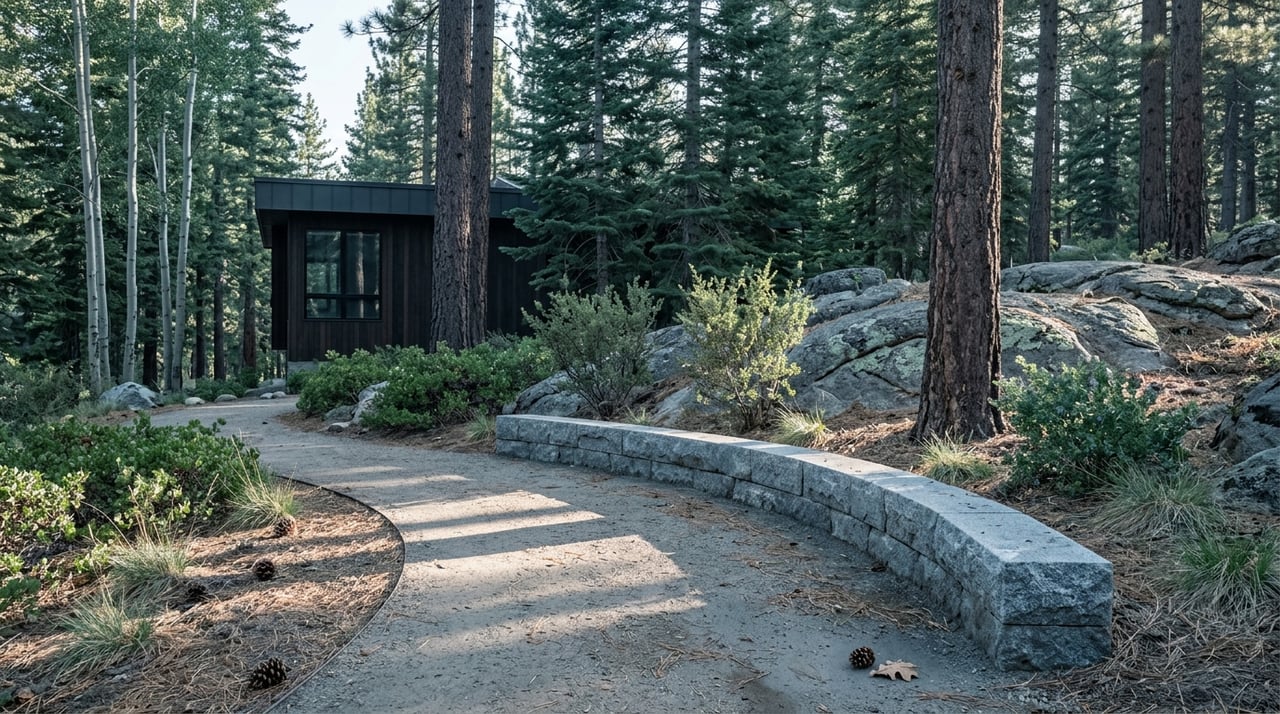
The exterior deserves equal attention. Pine needles, overgrown vegetation, stored equipment, tired outdoor furniture, and deferred deck care can distract from an otherwise strong property. In Tahoe, outdoor space is part of the home.
30 Days Before Launch: Build the Positioning
Once the property is ready, the team can finalize pricing, photography, video, copy, and the broader marketing plan.
The strongest positioning is specific. A Dollar Point buyer may prioritize neighborhood amenities and lake access. A Bay Area family may care about drive time, remote-work functionality, and year-round ease. A lakefront buyer may focus on shoreline rights, low-water usability, privacy, and boating access.
Rather than marketing to everyone, the goal is to clearly communicate why the home is right for the people most likely to value it.
This is also the time to identify agents, neighbors, past clients, and qualified buyers who should know about the property before launch. Early outreach can generate useful feedback and genuine interest without replacing the benefit of broad market exposure.
14 Days Before Launch: Prepare the Market
The final two weeks should feel organized, not rushed.
Photography and video are completed. Property details are confirmed. Disclosures and available reports are organized. Digital, print, email, social, agent-to-agent, and paid-media assets are prepared. Showing instructions and launch timing are finalized.
If early conversations produce an offer, the seller can evaluate it. But when the objective is to maximize exposure and create the strongest possible negotiating position, bringing the property to the full market may still be the right choice.
Launch Week: Let the Preparation Work
By launch day, the important decisions should already have been made. The home is show-ready, the story is clear, the likely audience has been identified, and the marketing is ready to move at once.
That is the difference between simply placing a home online and deliberately bringing it to market.
The sale may happen quickly, but the strategy started long before launch.
Frequently Asked Questions
How early should I contact an agent before selling a Tahoe home?
Ideally, begin the conversation 60 to 90 days before your preferred launch. More lead time is useful when the home needs inspections, repairs, staging, documentation, or seasonal exterior work.
Should every seller complete pre-listing inspections?
Not necessarily. The appropriate inspections depend on the property's age, systems, location, and known issues. The benefit is discovering material concerns while the seller still has options, but the decision should be made property by property.
Is staging worthwhile for a Tahoe property?
Often, yes. Staging does not have to mean replacing everything. It can include editing furniture, clarifying room function, improving flow, and helping buyers understand how the home supports Tahoe living throughout the year.
Can a seller accept an offer before the home reaches the MLS?
Yes, but the seller should understand the tradeoff between convenience and exposure. A strong offer may meet the seller's goals, while a full-market launch may create broader competition and clearer evidence of market value.
Suggested Internal Links
Team Blair Tahoe homepage: https://teamblairtahoe.com/
Available properties: https://teamblairtahoe.com/properties/sale
Meeks Bay launch-strategy case study: https://teamblairtahoe.com/blog/how-strategy-before-launch-led-to-a-dollar400k-over-asking-sale-in-meeks-bay
Call to Action
Thinking about selling in the next three to six months? Team Blair Tahoe can help you build the preparation timeline before the pressure of a launch date begins.
 Explore Additional Insights and Articles