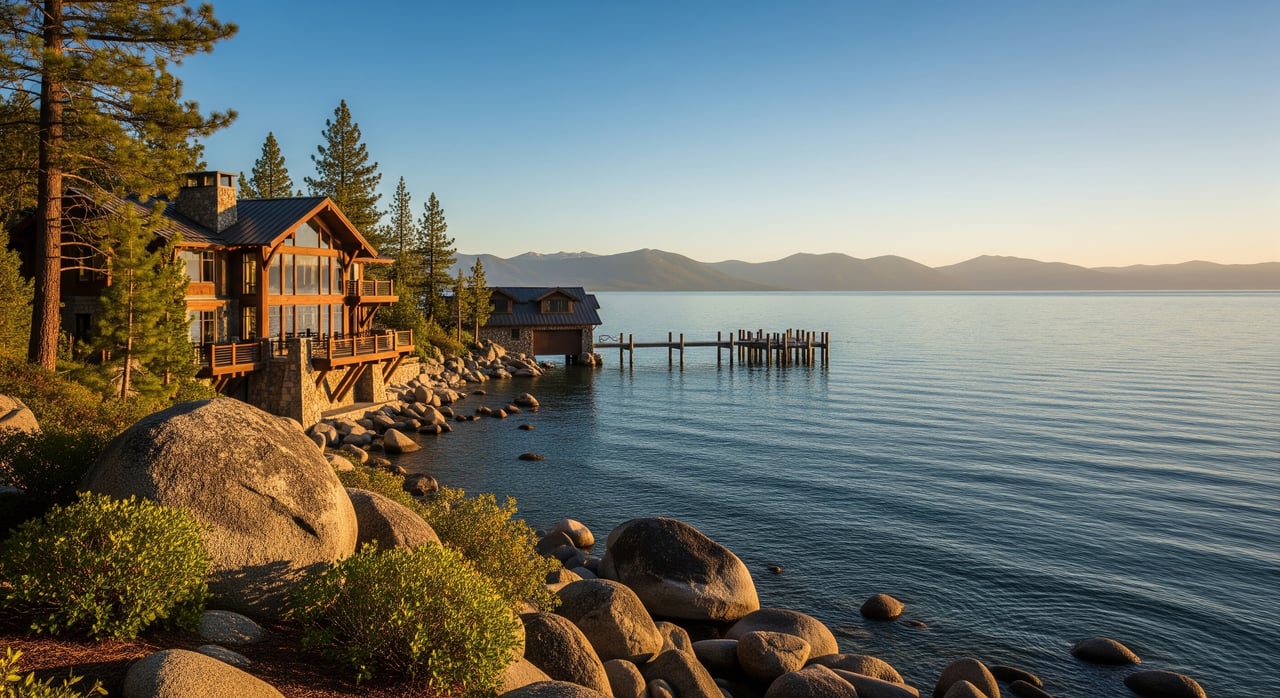
Planning a remodel or addition in Homewood or Chamberlands? If your property sits within the Lake Tahoe Basin, the Tahoe Regional Planning Agency (TRPA) will likely be part of your project. TRPA rules shape what you can build, where you can place it, how much coverage you can add, and even which trees you can remove. In this guide, you’ll learn the basics you need to plan with confidence. Let’s dive in.
Why TRPA matters in Homewood
TRPA is the regional land‑use authority for the Tahoe Basin. Its mission is to protect Lake Tahoe’s environment while allowing reasonable redevelopment where appropriate. For West Shore parcels in Homewood and Chamberlands, that means you often need a TRPA review or permit in addition to Placer County approvals.
Before you buy or design, confirm the TRPA status of your parcel. That includes land capability class, verified base coverage, any prior TRPA permits, and your shorezone designation if you are lakefront. These factors can influence siting, size, and timing.
Core rules that shape projects
Land capability
TRPA assigns each parcel a land capability class based on soil, slope, erosion potential, and proximity to the lake. This classification guides where structures can go and what protections you must include. If your plans touch different capability areas on the site, expect to verify conditions with a professional.
Practical move: request your parcel’s land capability map early. If your design bumps up against a sensitive area, you may need setbacks, buffers, or restoration measures.
Coverage basics: base vs allowable
Coverage includes roofs, driveways, patios, and compacted areas that shed water. TRPA recognizes two main coverage numbers:
- Base coverage: what is legally established and verified on your parcel today.
- Allowable or maximum coverage: the most coverage TRPA will allow given your parcel size and land capability.
If a proposed addition would exceed allowable coverage, you have options. You can redesign to stay within limits, remove other coverage on the lot to create room, restore disturbed areas to earn credits, pursue coverage transfers or mitigation where allowed, or seek a limited exception if the code permits. Expect to include Best Management Practices to offset runoff.
BMPs and water quality
Best Management Practices help control stormwater and reduce sediment reaching the lake. For remodels and additions, TRPA often requires BMP upgrades such as infiltration areas, roof runoff dispersal, drainage improvements, and sometimes porous paving. Plan space for BMPs early, because they affect layout and cost.
Tree and vegetation removal
TRPA regulates tree and vegetation removal to protect slope stability and water quality. You may need approval to remove certain trees depending on size, health, and location. Hazard trees can qualify for expedited review, but you will still need documentation, usually an arborist report and photos.
When removal is approved, replanting or in‑lieu fees may be required. If your project includes fuel reduction work within an accepted plan, you may qualify for a simplified review process.
Shoreline rules
Lakefront work sits under specific TRPA shorezone standards. Repairs to existing docks or structures can be simpler than building something new. New piers, moorings, boatlifts, or shoreline protection often face stricter criteria and longer review timelines. Shorezone projects typically involve multiple agencies in addition to TRPA.
If you own a waterfront parcel in Homewood or Chamberlands, confirm your shorezone designation at the outset and expect timelines that are longer than typical house remodels.
Nonconforming and historic permits
Many older West Shore homes include elements that pre‑date current TRPA rules. These nonconforming features can often be maintained or repaired, but expansions that increase nonconformity are restricted. Always pull the TRPA parcel file to understand prior permits, any grandfathered coverage, and whether past work affects your options today.
Permitting workflow and checklist
Typical workflow
- Pre‑application: collect TRPA parcel data, land capability, verified coverage, and shorezone status; gather Placer County files and recorded restrictions.
- Site assessment: obtain a current survey, coverage calculations, and an arborist report if trees are involved; consider soils input on steeper ground.
- Design and mitigation: minimize new coverage, plan BMPs, and identify coverage removal or restoration areas if needed.
- Submittal: file a TRPA permit application with plans, survey, BMP details, supporting reports, and fees; coordinate with Placer County on building, grading, septic/sewer, and driveway permits.
- Review: TRPA completeness check, site visit if needed, environmental review where applicable, and permit conditions for BMPs and mitigation.
- Approvals: finalize TRPA, then secure county and any other agency approvals; align conditions across permits.
- Construction: follow permit conditions, maintain erosion controls, and prepare for inspections.
Documents to prepare
- TRPA parcel file, land capability map, and coverage verification.
- Current site plan and survey showing existing structures, topography, hydrology, and measured coverage areas.
- Proposed site plan with additions, access, staging, and new coverage math.
- BMP and drainage plan for stormwater management and upgrades.
- Arborist report for any tree work, with species, size, and condition.
- Photos of existing conditions; title information and easements.
- For waterfront work: shorezone submittals and ownership documentation as required.
Coordinating with agencies
- Placer County handles building, grading, septic/sewer, and driveway permits that run alongside TRPA.
- Lahontan Regional Water Quality Control Board may review work that disturbs wetlands or could discharge to waters.
- Federal agencies may be involved when projects affect wetlands, stream zones, or federal land.
- Utilities and road authorities may review encroachments or service connections.
Timelines and costs
TRPA review can take a few weeks for simple administrative projects, and several months for complex designs, shoreline work, or multi‑agency coordination. Application fees, mitigation payments, design, surveys, arborist services, and BMPs all factor into total cost. Confirm current fee schedules early and set a realistic timeline.
Homewood/Chamberlands checklist
- Before you buy: request the TRPA parcel file, land capability map, verified coverage, and shorezone status if lakefront.
- Early planning: commission a site survey and coverage calculation; consult a Tahoe‑experienced designer.
- Design: minimize new coverage and reserve space for BMPs and vegetation protection.
- Application: align TRPA and Placer County submittals for efficient review.
- Construction: maintain erosion control, follow permit conditions, and document as‑builts.
Smart planning tips
- Front‑load site intelligence. Early clarity on land capability, coverage, and trees reduces redesigns later.
- Treat BMPs as core design. Plan space, specs, and maintenance access from the start.
- Use coverage strategically. Remove or restore unneeded hardscape to unlock room for a targeted addition.
- Document every change. Coverage reductions and vegetation mitigation must be measured, photographed, and maintained.
- Start shoreline due diligence early. Waterfront timelines run longer, and multi‑agency coordination is common.
If you want a clear read on what is possible for a West Shore property, we can help you assemble the right parcel data, align design choices with TRPA, and navigate local approvals without surprises. For discreet guidance tailored to your goals, connect with Team Blair Tahoe.
FAQs
Do I need a TRPA permit for a Homewood remodel?
- Interior‑only updates that do not change footprint, grading, or coverage may be exempt, but additions, coverage changes, tree work, or shorezone activity typically require TRPA review.
How do I find my parcel’s land capability and coverage?
- Request the TRPA parcel file and land capability map; if plans approach a boundary between capability units, expect site verification by a qualified professional.
Can I add a deck if I remove part of my driveway?
- Often yes. TRPA may allow coverage removal and on‑site restoration to create room for new coverage, subject to standards, documentation, and inspection.
What is required to remove a hazardous tree?
- Hazard removals can be expedited, but you will need documentation such as an arborist report and photos; mitigation like replanting may apply.
What happens if my home is nonconforming under current rules?
- You can usually repair and maintain nonconforming features, but enlargements that increase nonconformity are restricted; check your parcel file for specifics.
Who reviews lakefront projects in Homewood?
- TRPA is the primary reviewer, and other agencies may also be involved; these projects commonly have longer timelines than upland remodels.
 Explore Additional Insights and Articles